Understanding Common Orthopedic Conditions: Causes and Treatments by Dr. Vaibhav Satish Sadigale(Orthopedic Surgeon At City Accident Hospital,Pandharpur)
Explore detailed explanations of common orthopedic conditions like osteoarthritis, osteoporosis, and sports injuries, including their causes, symptoms, and treatment options.
Introduction

- Here’s a detailed Description for "Understanding Common Orthopedic Conditions: Causes and Treatments"
1. Osteoarthritis
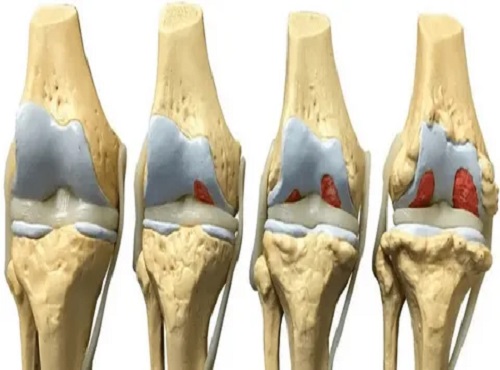
- Definition:Osteoarthritis is a degenerative joint disease.
- Causes: Risk factors such as age, genetics, obesity, and joint injuries.
- Symptoms:Common symptoms like pain, stiffness, swelling, and decreased range of motion.
- Treatments: Outline treatment options, including medications (NSAIDs, corticosteroids), physical therapy, lifestyle changes, and surgical options like joint replacement.
2. Rheumatoid Arthritis
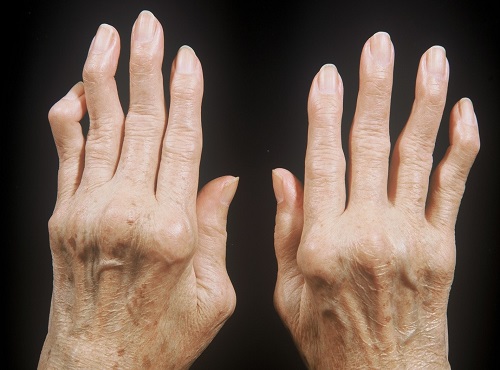
- Definition: Rheumatoid arthritis is an autoimmune disorder affecting joints.
- Causes: Immune system’s attack on synovial joints and genetic predisposition.
- Symptoms: Symptoms such as joint pain, swelling, fatigue, and morning stiffness.
- Treatments:Treatments like disease-modifying antirheumatic drugs (DMARDs), biologics, physical therapy, and surgical interventions.
3. Fractures

- Highlight the role of nutrition in joint health.
- Discuss foods rich in omega-3 fatty acids, antioxidants, and vitamins (e.g., fish, nuts, leafy greens).
- Mention the benefits of reducing inflammatory foods like sugar and processed foods
4. Stay Hydrated

- Explain how proper hydration helps maintain the lubrication of joints.
- Suggest the daily recommended intake of water and other hydrating fluids.
5. Protect Your Joints
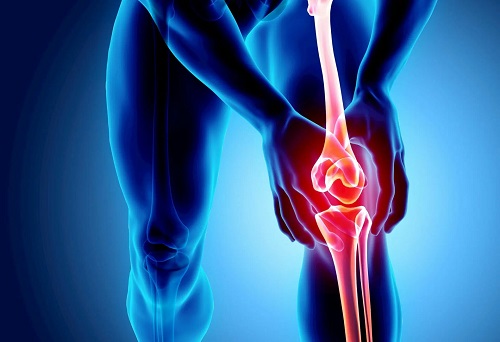
- Discuss techniques for avoiding joint injuries.
- Provide tips on using proper techniques when lifting, bending, and performing other activities.
- Mention the use of supportive footwear and ergonomic tools.
6. Strengthen Your Core

- Explain how a strong core supports the spine and improves posture.
- Suggest core-strengthening exercises such as planks, Pilates, and yoga.
7. Maintain Good Posture

- Describe the importance of good posture in reducing joint strain.
- Provide tips for maintaining proper posture when sitting, standing, and sleeping.
8. Don’t Ignore Pain

- Stress the importance of listening to your body.
- Advise seeking medical attention if experiencing persistent joint pain or discomfort.
- Mention the role of early intervention in preventing more serious issues.
9. Incorporate Flexibility and Stretching Exercises

- Highlight the benefits of flexibility in joint health.
- Suggest stretching exercises and practices like yoga and tai chi.
- Mention the importance of warming up before and cooling down after exercises.
10. Stay Informed and Proactive

- Encourage regular check-ups with healthcare providers.
- Suggest stretching exercises and practices like yoga and tai chi.
- Mention the importance of warming up before and cooling down after exercises.